Events Categories
CETANB Centre for Emerging Technology and Atma Nirbhar Bharat
CMHCS Centre for Military History and Conflict Studies
CP&L Centre for Publications & Library
CPME Centre for Professional Military Education
CS3 Centre for Strategic Studies and Simulation
CUNHS Centre for United Nations and Humanitarian Studies
Detailed Report for the Talk by Mr John Helmer, International Analyst of Russia
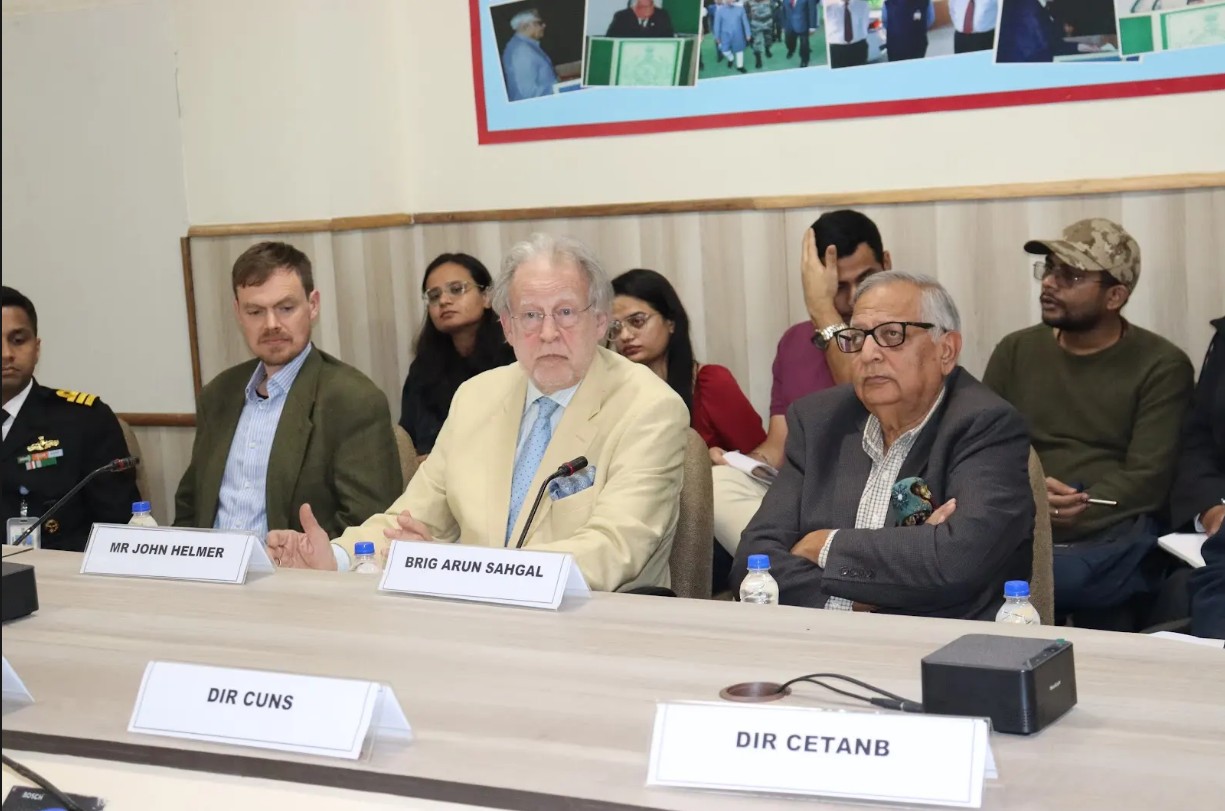
The United Service Institution of India (USI) convened a highly relevant and timely strategic dialogue on 25 November 2025, focusing on the forthcoming visit of President Putin to Delhi and its implications for India, under the event title “What to Anticipate from Putin’s Visit to Delhi - Opportunities, Hazards, and Risks in India’s relationship.” The session featured Mr. John Helmer, a distinguished independent, Moscow-based journalist and the longest-serving foreign correspondent in Russia. Mr. Helmer delivered a profound and insightful analysis aimed at assessing the anticipated outcomes, opportunities, hazards, and strategic risks associated with the forthcoming. The talk marked a day of rich intellectual exchange, underscoring the critical and complex nature of the India-Russia relationship within the context of contemporary global geopolitical transformations. The objective of the session was to equip the strategic community with a nuanced understanding of the evolving bilateral dynamics.
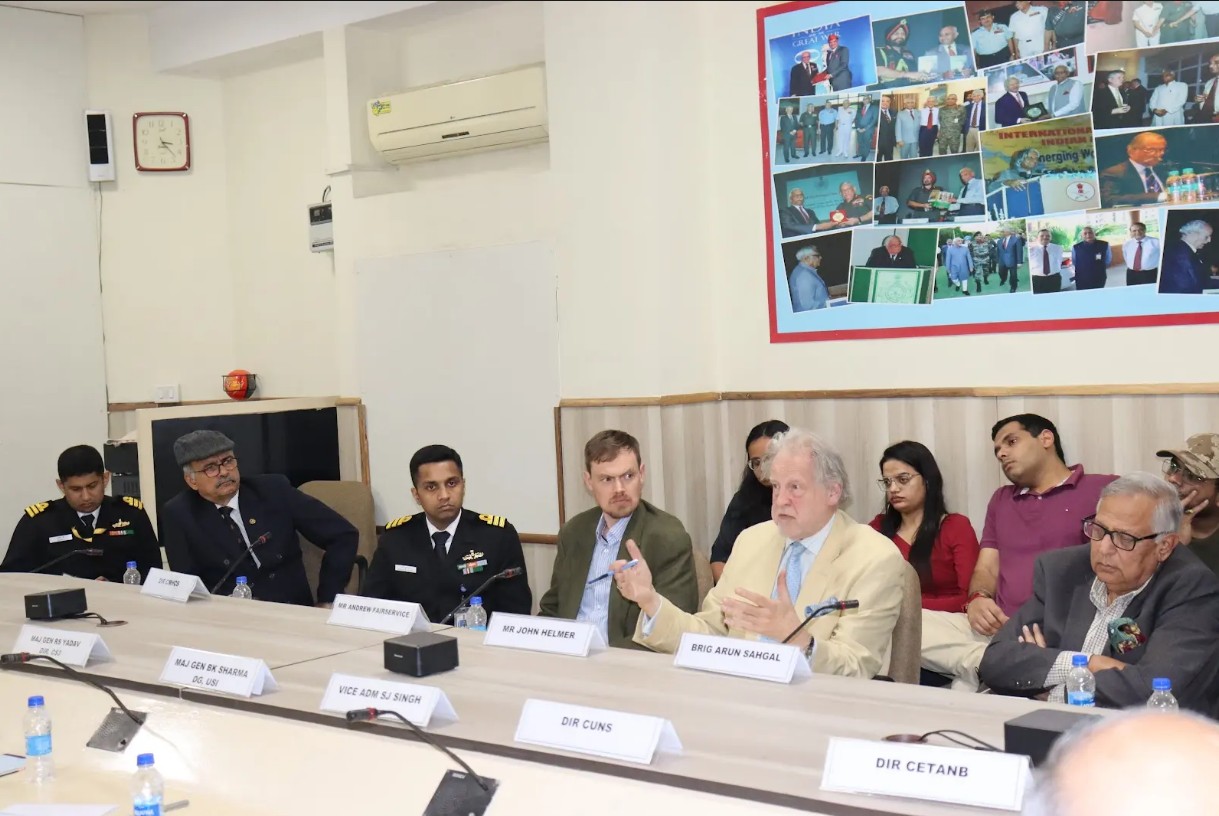
The talk was delivered by Mr. John Helmer, whose distinguished career in international politics, law, journalism, and academia lent significant weight to his analysis. Drawing from his extensive on-the-ground experience in Russia, Mr. Helmer provided a detailed, Moscow-centric perspective, offering an informed forecast of the key deliverables and areas of focus expected during President Putin’s visit. He specifically highlighted the opportunities presented by the deepening partnership, spanning critical sectors like advanced defence procurement, energy cooperation, and potential trade diversification, providing a comprehensive outlook on the mutual benefits that could be leveraged.
Mr. Helmer dedicated significant time in examining the potential hazards and strategic risks for India that accompany this high-profile engagement. This included a candid discussion on the challenges posed by navigating the country’s deepening relationship with Russia amid complex, evolving global alignments and pressure from Western partners. The entire analysis served as a vital strategic dialogue, designed to prepare attendees for the diplomatic and strategic calculus required to manage this pivotal relationship effectively, balancing national interests against geopolitical challenges.
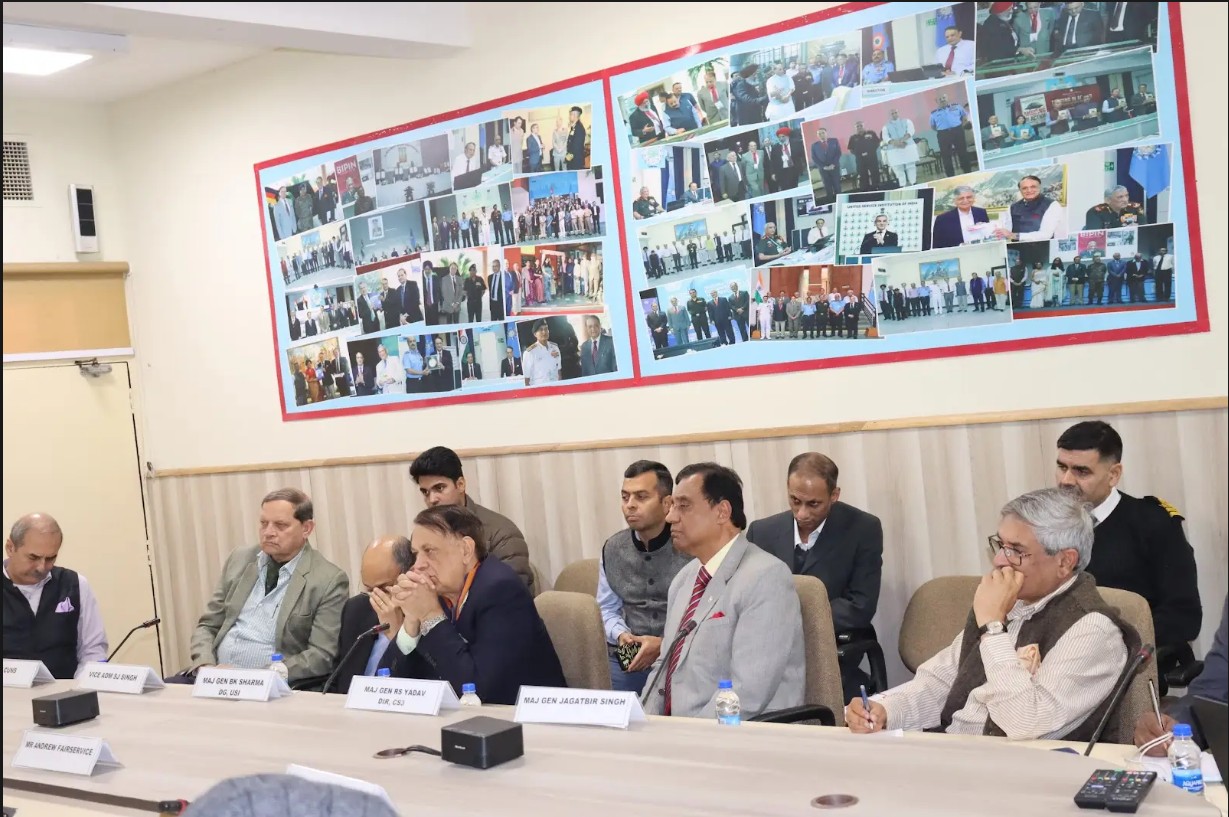
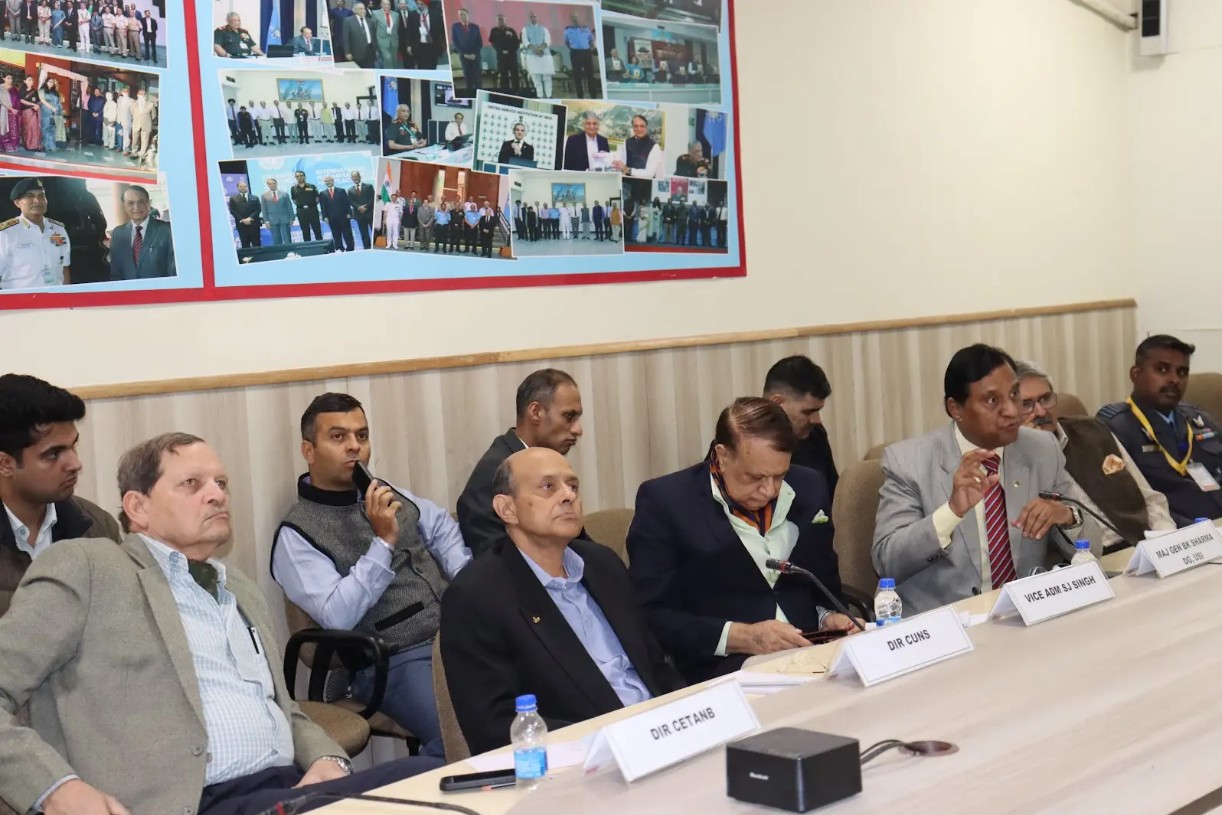
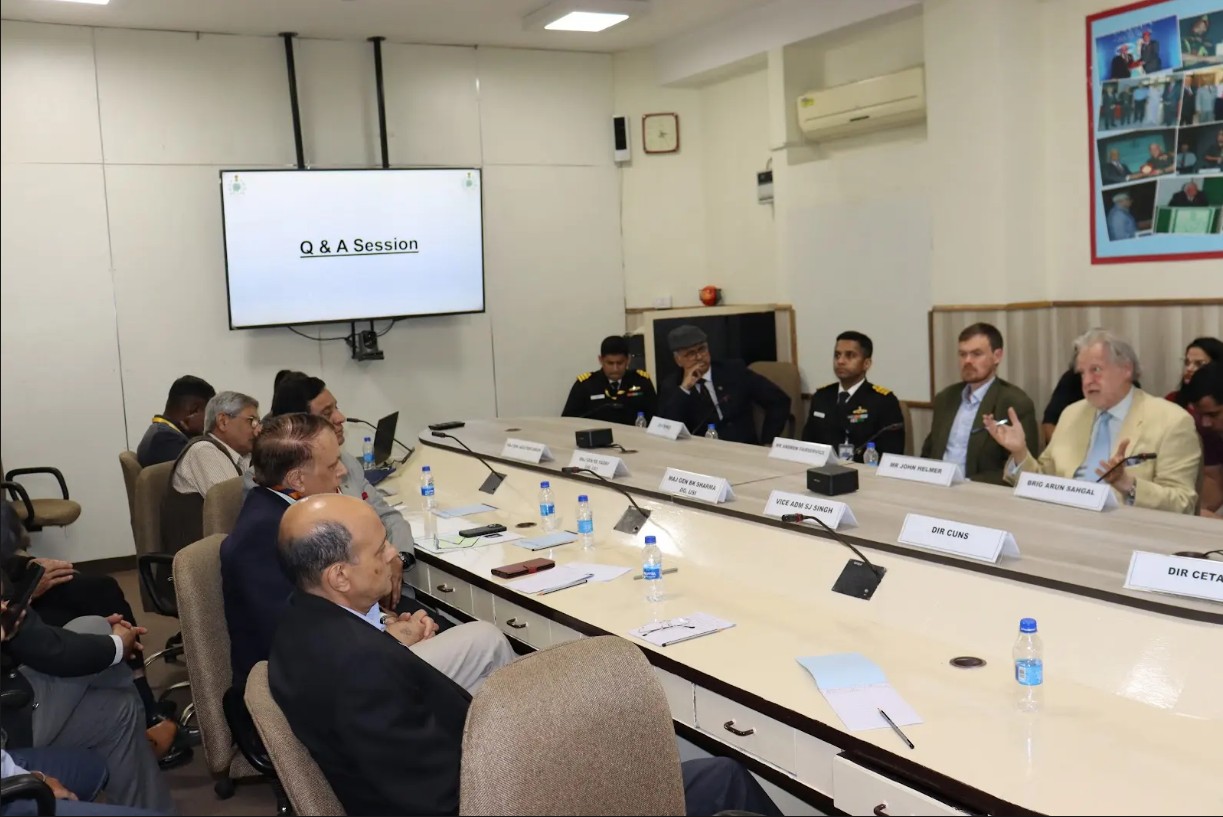
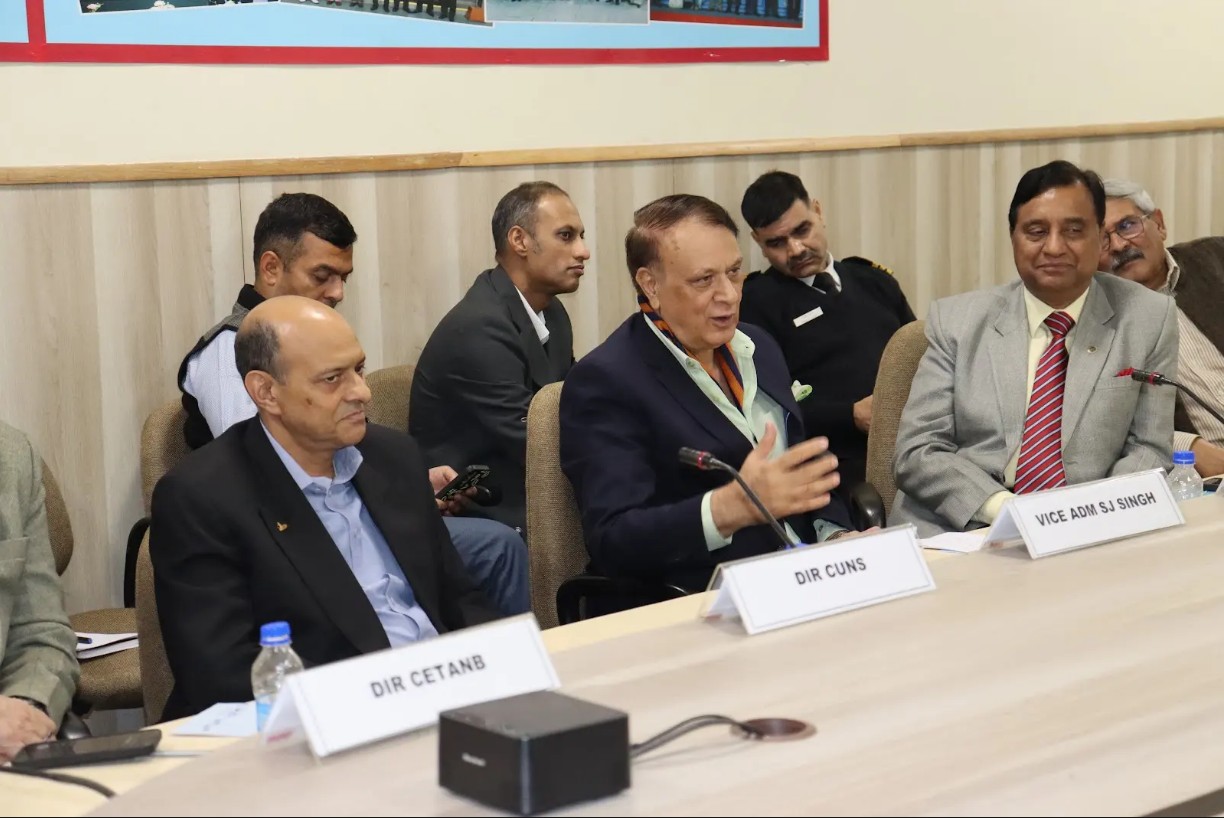
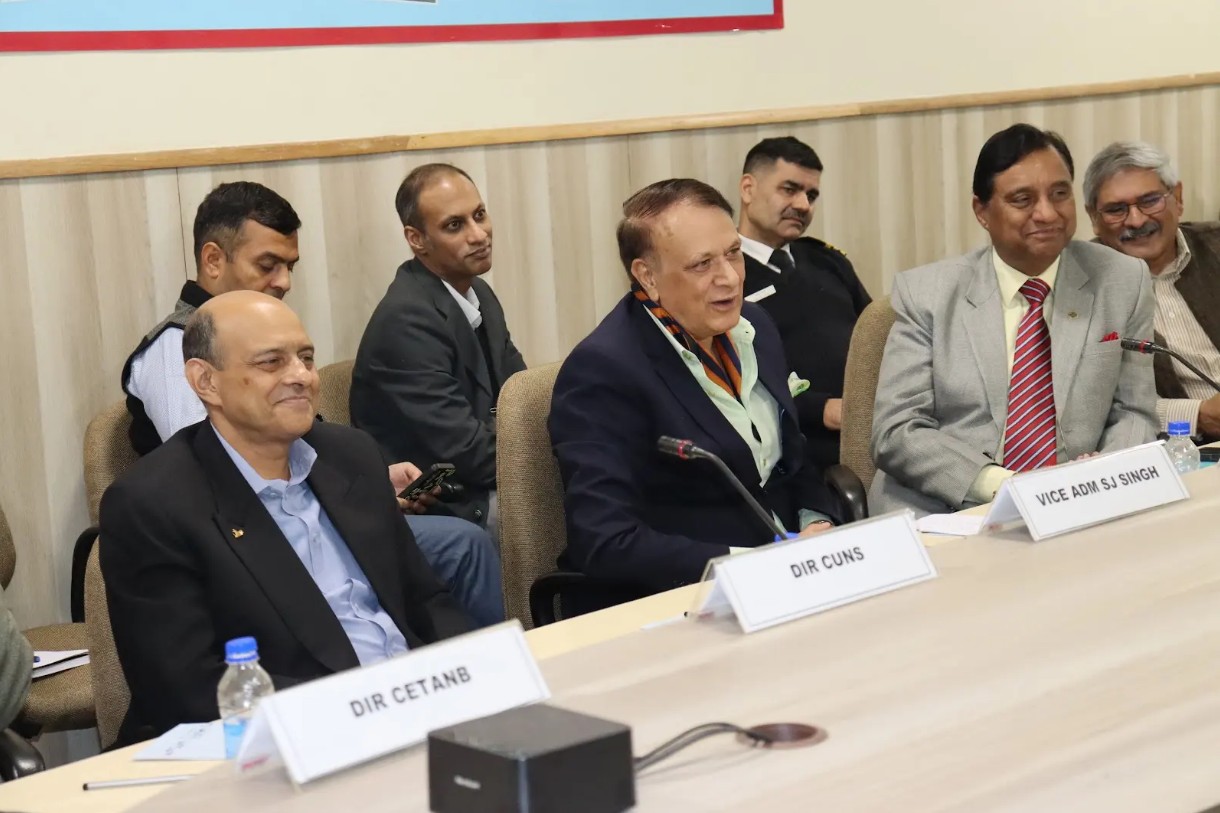
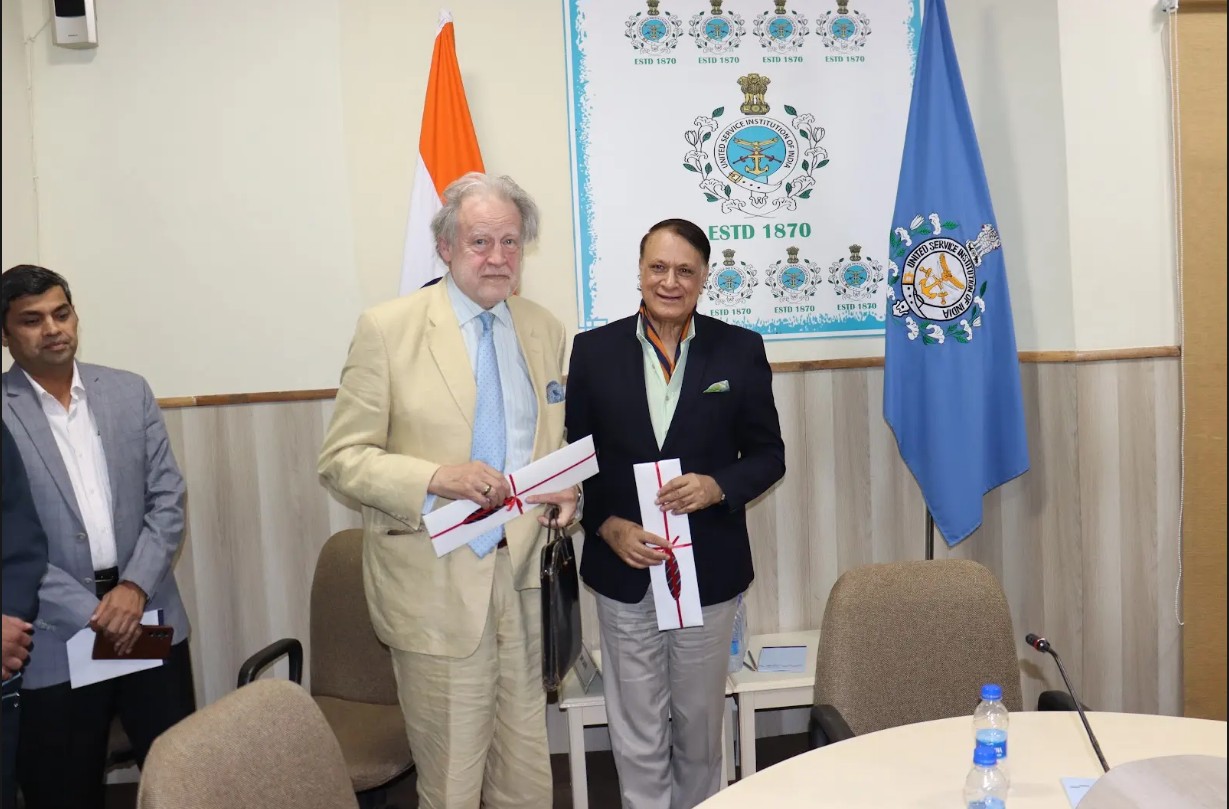
The structured program commenced at 1400 hr with Opening Remarks delivered by Maj Gen R S Yadav, VSM (Retd), Director, Centre for Strategic Studies and Simulation (CS3), USI, who effectively framed the discussion. The session was well-attended, featuring not only directors of various sections of USI but also a critical mass of officers from the Armed Forces and young researchers, highlighting the high priority the defence establishment and academic community place on this geopolitical axis. Following Mr. Helmer's talk, Brig Arun Sahgal, PhD (Retd), offered an additional layer of analysis in a Special Address, providing a specific Indian strategic context. An engaging Q & A Session then followed, allowing the strategic community to directly engage with the complex issues raised. The proceedings were brought to a formal close by Maj Gen BK Sharma, AVSM, SM & Bar (Retd), Director General, USI, who, in his Closing Remarks, summarised the depth of the intellectual exchange and commended Mr. Helmer for his insightful contribution and analytical clarity. The successful conduct of the talk highlighted the institution’s commitment to facilitating meaningful discourse on critical foreign policy and geopolitical issues.