Events Categories
CETANB Centre for Emerging Technology and Atma Nirbhar Bharat
CMHCS Centre for Military History and Conflict Studies
CP&L Centre for Publications & Library
CPME Centre for Professional Military Education
CS3 Centre for Strategic Studies and Simulation
CUNHS Centre for United Nations and Humanitarian Studies
SHIFTING NUCLEAR ORDER
TALK BY
PROF NICHOLAS J WHEELER
ON
SHIFTING NUCLEAR ORDER
(PROLIFERATION, BRINKMANSHIP AND POSSIBLE NEW
ENTRANTS TO THE NUCLEAR CLUB) 15 APRIL 2025
PROGRAMME
|
Time |
Event |
Name of the Speaker |
|
1400- 1430 h |
Registration &Tea |
|
|
1430- 1434 h |
Opening Remarks |
Maj Gen RS Yadav, VSM, (Retd), Director, CS3 |
|
1434- 1440 h |
Introductory Remarks |
Brig Arun Sahgal, PhD (Retd), Director, Forum for Strategic Initiative |
|
1440- 1510 h |
Talk |
Prof Nicholas J Wheeler Professor of International Politics at the University of Birmingham, UK |
|
1510- 1535 h |
Q/A |
|
|
1535- 1545 h |
Expert Comments & Concluding Remarks
|
Maj Gen BK Sharma, AVSM, SM** (Retd), Director General, USI
|
Key Takeaways:
The world of nuclear weapons today is far more complicated than it was during the Cold War. Back then, it was mainly about the U.S. and the Soviet Union trying to avoid destroying each other. Now, there are multiple nuclear powers with their own interests, fears, and rivalries from China and India to Pakistan and North Korea. That makes everything less predictable and more dangerous.
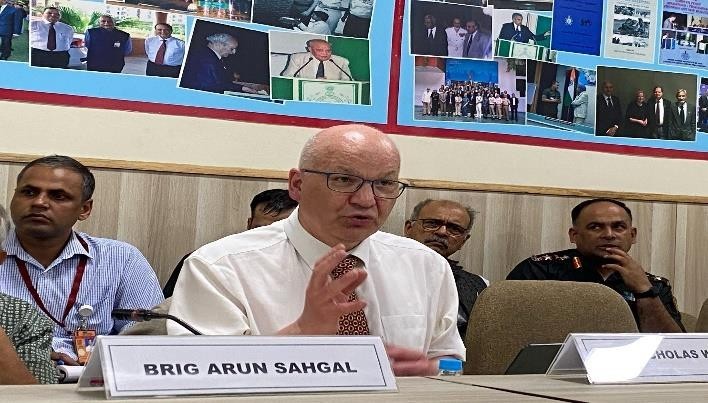
Professor’s Talk
The key treaties that used to keep nuclear weapons in check like the INF, ABM, and now even New START are either gone or falling apart. Countries are quietly upgrading their arsenals, but without any real transparency or cooperation. The problem is, without clear rules or open channels to manage these weapons, we’re left with a much riskier world—one where misunderstandings, accidents, or miscalculations could spiral out of control.
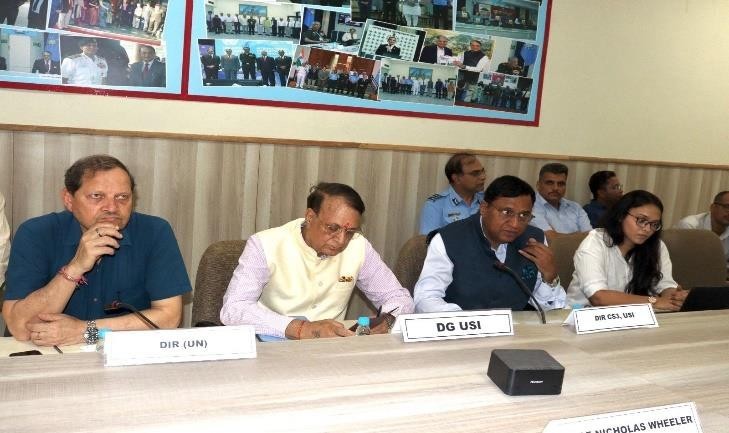
Panelist
China is stepping up its role in the global nuclear landscape, modernizing and expanding its arsenal in ways that are being closely watched by countries like the U.S. and India. At the same time, its growing military ties with Pakistan are adding new layers of complexity to the security environment in South Asia. For India, this means navigating a challenging two-front situation—but it also
highlights the country’s steady focus on strengthening its defences, deepening international partnerships, and working toward long-term regional stability.
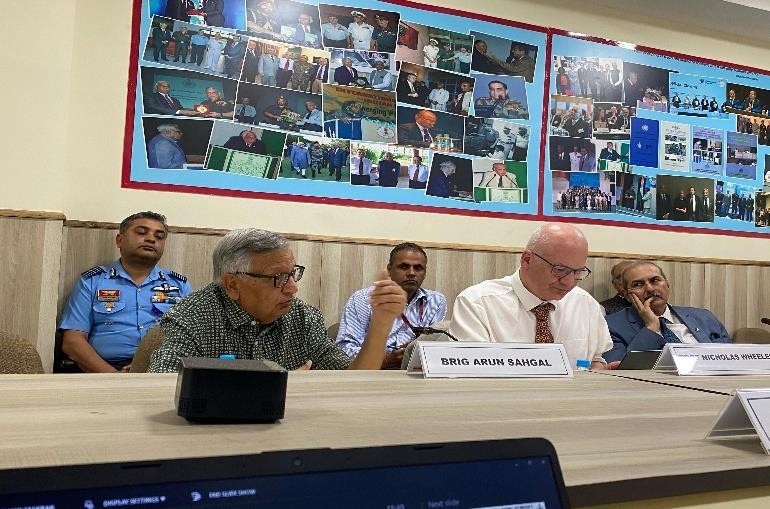
Panelist
- Technology is adding new layers of risk. Cyberattacks, Artificial Intelligence, and Space Weapons can interfere with warning systems or make it hard to tell if a move is defensive or offensive. This confusion can push countries to assume the worst and act hastily, even when no one actually wants a war.
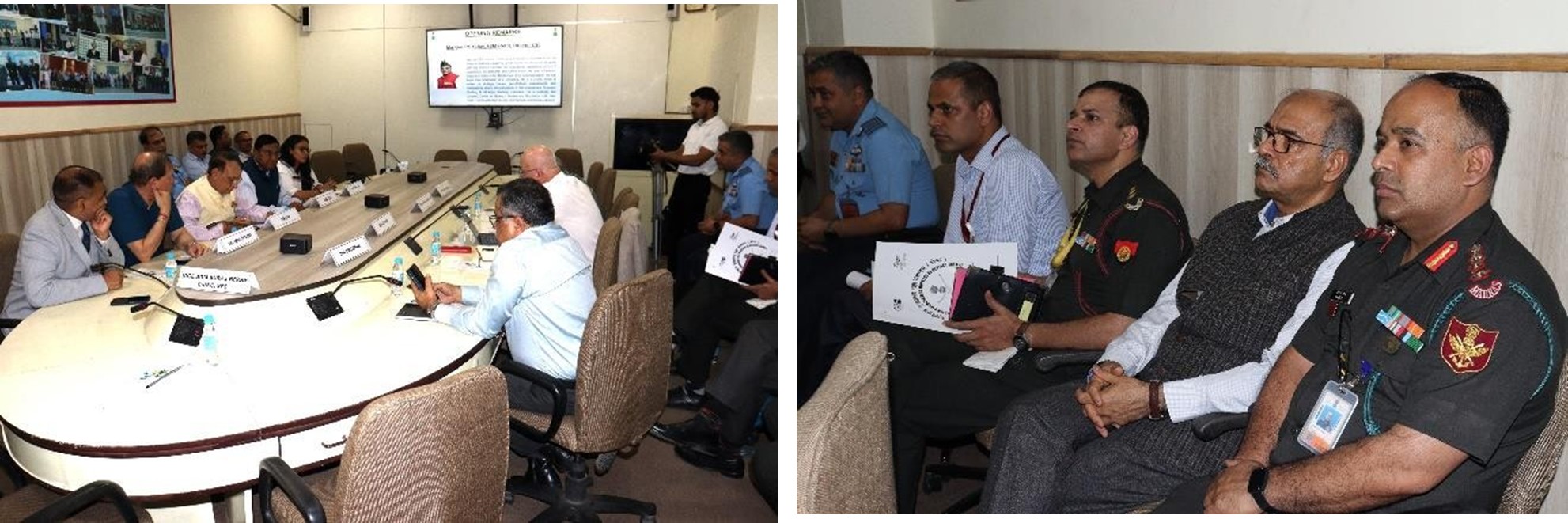
Audience
- Countries like Japan and South Korea are starting to worry that the security support they’ve long relied on from the U.S. might not be as dependable as it used to be. Quietly, these worries are leading some to think perhaps for the first time in years about handling their own security and even considering the idea of developing nuclear weapons which could see new entrants into the Nuclear Club.
Report by Elma Naaz, Research Intern, CS3, USI